Addressing climate change demands monumental financial investment, far exceeding traditional public funding capacities. This is where climate finance steps in – a critical mechanism for channeling financial resources towards mitigation and adaptation efforts globally. It encompasses a diverse range of funding sources, from public and private investments to multilateral development banks and innovative financial instruments, all aimed at accelerating the transition to a low-carbon, climate-resilient world.
Climate finance plays a particularly vital role in developing countries, which are often the most vulnerable to climate impacts but possess the least resources to cope. These funds are crucial for building resilient infrastructure, implementing sustainable agriculture practices, and investing in renewable energy technologies. While significant strides have been made in increasing climate finance flows, particularly in areas like clean energy in advanced economies and China, a substantial gap remains to meet the trillions required annually to limit global warming and build climate resilience.
Looking ahead, the focus in climate finance will increasingly be on mobilizing private capital and exploring innovative financial models such as green bonds and debt-for-nature swaps. Public finance, though insufficient on its own, remains essential for catalytic investments and de-risking projects to attract private sector participation, especially in emerging markets. The ultimate goal is to ensure that financial flows are consistent with a pathway towards low greenhouse gas emissions and climate-resilient development, ensuring a more stable and livable world for all.
The global shift towards a sustainable, low-carbon economy is no longer a distant aspiration but a pressing reality. Businesses, governments, and organizations worldwide are grappling with the complexities of climate change, from regulatory shifts and physical risks to evolving consumer demands and investor expectations. This is where climate consulting emerges as an indispensable guide, helping entities not just adapt, but thrive in this new landscape.
Climate consultants offer a wide array of specialized services, including carbon footprint analysis, climate risk assessment, developing net-zero strategies, and ensuring regulatory compliance. They bridge the gap between scientific understanding and actionable business strategies, translating complex environmental data into practical solutions. As the urgency for climate action intensifies, the climate consulting market is experiencing significant growth, driven by a growing awareness of climate-related risks and opportunities across all sectors.
The role of climate consulting extends beyond mere compliance; it’s about embedding sustainability into the very core of an organization’s operations. By identifying opportunities for energy efficiency, promoting renewable energy adoption, and building climate resilience into supply chains, consultants help organizations mitigate risks, enhance their reputation, and unlock new avenues for innovation and growth. In 2025, the demand for tailored, actionable plans that integrate climate risk analysis, digital innovation, and sector-specific expertise is at an all-time high, making climate consulting a pivotal partner in the journey towards a sustainable future.
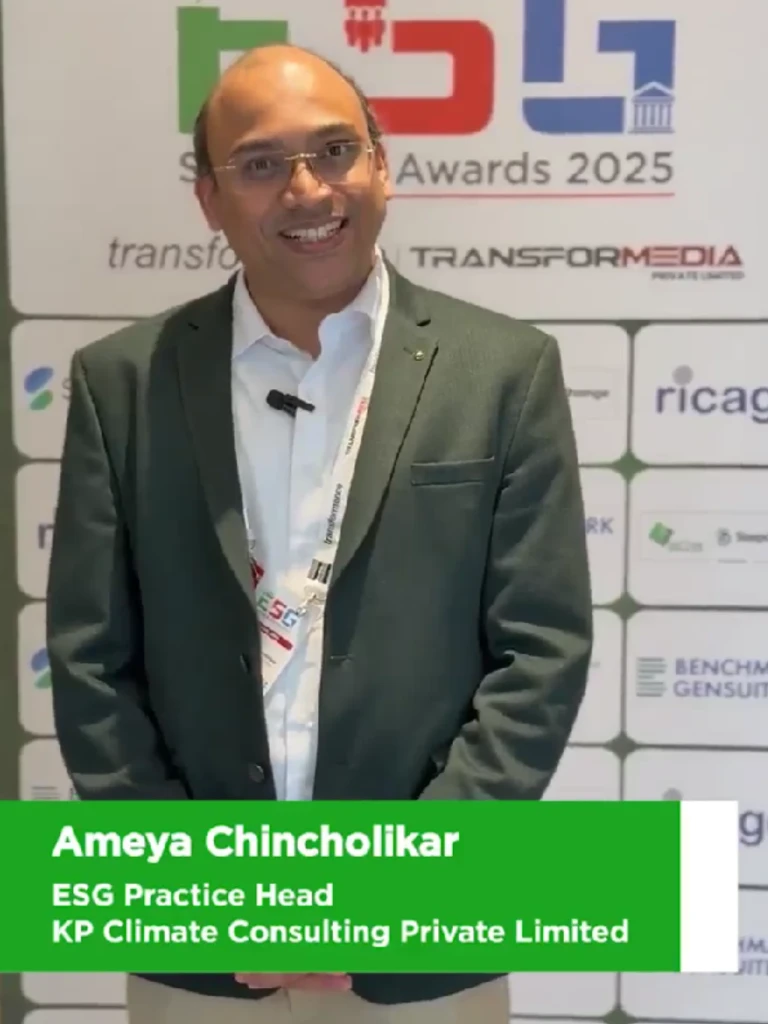
The 6th ESG Summit & Awards 2025, wasn’t just another event—it was a platform for action. Hear it from Ameya Chincholikar ESG Practice Head at KP Climate Consulting Private Limited
Held On 10th April, 2025 At Hotel Royal Orchid, Bengaluru
👏 A big thank you to our partners: Co-Presenting Partner: Benchmark Gensuite® Knowledge Partner: Sustainext Platinum Partner: Sattva Consulting & StepChange Associate Partner: ricago
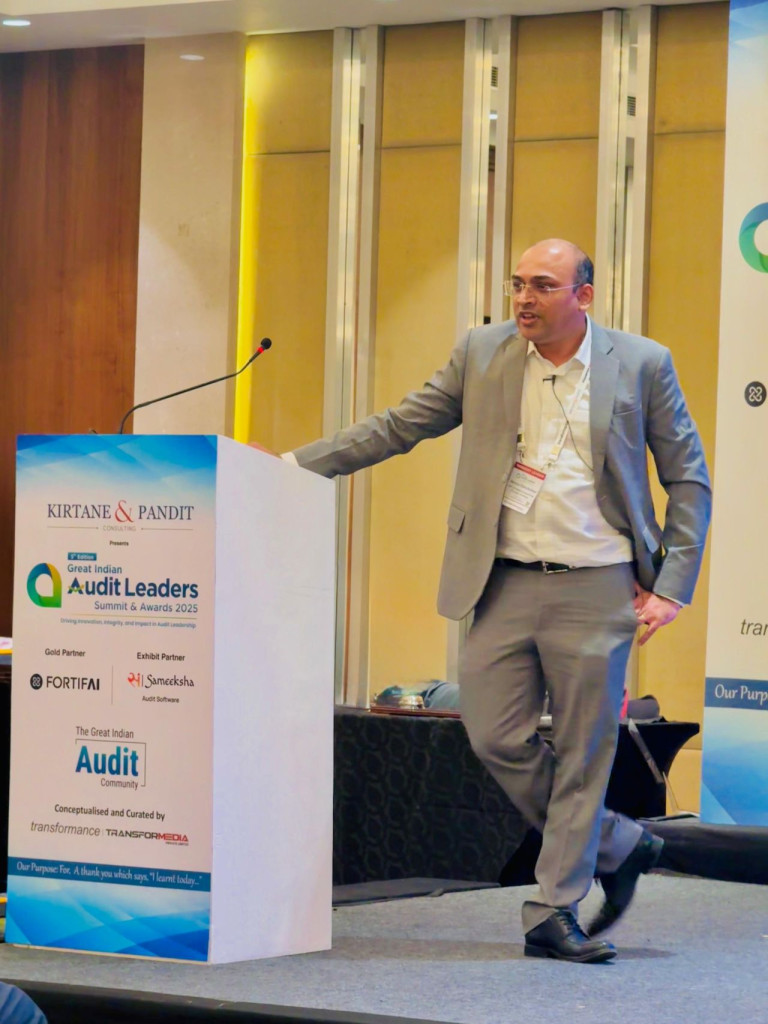
At the prestigious 5th Audit Awards and Summit held on 15th May 2025 in Bengaluru at Hotel Royal Orchid.
In his keynote, Mr. Chincholikar delivered powerful insights on embedding ESG and sustainability into the core of audit frameworks, highlighting how forward-thinking governance can drive both resilience and responsibility in today’s rapidly evolving landscape.
It was an inspiring day of conversations, collaboration, and collective commitment toward a more sustainable future.